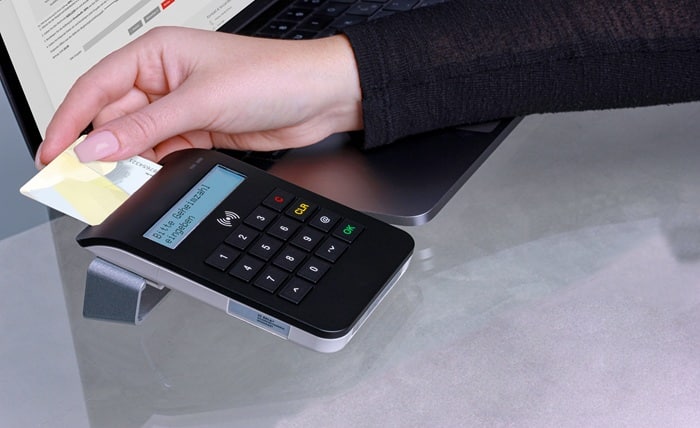
Online account access is not only about entering a username and password. Security should be considered before opening the login page, while entering account information, and after the session has started.
For users accessing their DMFirst account, following a few basic security practices can help reduce avoidable risks. This DMFirst Login – Secure Account Access Guide explains how to approach account access safely, protect login credentials, recognize suspicious activity, and respond to common security situations.
Why Secure Login Matters
Your login credentials are directly connected to your account.
If someone obtains your password or verification information, they may potentially gain unauthorized access. That’s why users should treat account credentials as private information.
A secure login habit begins before the sign-in form is even opened.
Start With a Trusted Access Route
The first security check is the source you’re using to reach the login page.
Avoid entering account details after clicking unknown links from:
- Random messages
- Unfamiliar websites
- Suspicious advertisements
- Unverified social-media posts
- Unexpected emails
Instead, use a trusted and verified access route.
If multiple websites claim to provide DM First login access, verify the destination carefully before entering credentials.
Check the Login Environment
Before signing in, take a quick look at the page.
A trustworthy login process should not normally require unnecessary personal or security information.
Pay attention if a page:
- Redirects repeatedly
- Uses an unfamiliar domain
- Contains unusual spelling
- Displays unexpected pop-ups
- Requests unrelated sensitive information
- Behaves differently from what you normally expect
If something feels suspicious, stop before submitting your credentials.
Keep Your Password Private
A password should belong only to the account owner.
Never send your password to another person through:
- Telegram
- SMS
- Social-media messages
Someone claiming to be a helper or support representative should not need your private password.
Create Better Password Habits
A strong password is one of the simplest ways to improve account security.
Whenever possible, use a password that is:
- Difficult to guess
- Unique to the account
- Long enough to provide good protection
- Not based on obvious personal information
Avoid easy combinations such as common names, simple number sequences, or predictable words.
Don’t Reuse Important Passwords
Using the same password across multiple services can create additional risk.
If one unrelated website experiences a security problem and your password becomes exposed, reused credentials could potentially affect other accounts.
Using different passwords for important accounts is therefore a better security practice.
Be Careful With Verification Codes
Some accounts may use verification codes as an additional security layer.
If you receive a code during a legitimate login attempt, enter it only on the appropriate account-access page.
Never share an OTP or verification code with another person.
A person who has your password and verification code may have more opportunity to access an account, so both should be protected.
Recognizing Suspicious Login Requests
Not every login request is legitimate.
Be cautious when someone asks you to:
- Send your password
- Forward an OTP
- Share a verification code
- Click an unfamiliar login link
- Install unknown software
- Provide unnecessary account information
A safer approach is to close the message and access the account through a trusted route yourself.
Protecting Your Account on Mobile
Smartphones are convenient for account access, but they also contain a large amount of personal information.
For safer mobile login:
- Keep your phone’s operating system updated.
- Use a screen lock.
- Install applications from trusted sources.
- Avoid unknown login links.
- Don’t save sensitive information in unsecured notes or messages.
- Log out when using someone else’s device.
These steps provide an additional layer of protection around your account.
Secure Access on a Laptop or Desktop
Computers should also be kept updated.
Before logging in from a computer, make sure:
- The browser is reasonably up to date.
- The device is trusted.
- No unknown extensions are interfering with the browser.
- You are not using an unfamiliar public computer.
- The login destination has been checked.
If you are using a shared machine, avoid saving your password.
Public Wi-Fi and Account Access
Public networks can be convenient, but they are not always the best environment for sensitive account activity.
When possible, use a trusted private connection for important account access.
If you must use public Wi-Fi, pay extra attention to the website destination and avoid unnecessary account activity.
Avoid Unknown APKs and Software
Users should be especially careful when someone suggests downloading an unknown application or modified APK to access an account.
Unknown software can introduce security risks.
Only use applications obtained through sources you trust and verify. Don’t disable device security features simply to install an unfamiliar program.
Managing Saved Login Information
Saved credentials can make future sign-ins faster, but convenience should be balanced with device security.
On a personal device protected with a strong screen lock, password-management features can be useful.
On public or shared computers, avoid saving passwords.
Always consider who can physically access the device before enabling automatic sign-in.
Securely Using Shared Devices
If you access your account from a computer that belongs to someone else, take extra precautions.
After finishing:
- Log out of the account.
- Don’t save the password.
- Close the browser.
- Remove sensitive information from the screen.
- Check that your session is no longer active.
Logging out is especially important when the device is accessible to multiple people.
Watch for Unexpected Account Activity
If your account provides security or activity information, periodically review it.
Pay attention to activity you don’t recognize, such as:
- Unknown devices
- Unexpected login sessions
- Unfamiliar account changes
- Security notifications you didn’t trigger
If something looks suspicious, secure the account using the available recovery or security controls.
What to Do After a Suspicious Login
If you believe someone may have accessed your account, don’t panic.
Take a structured approach:
Step 1: Stop Sharing Information
Don’t provide additional passwords, codes, or account details to unknown people.
Step 2: Secure the Account
Use the platform’s legitimate password-change or recovery process.
Step 3: Review Available Security Information
Check for unfamiliar sessions or account activity if those features are available.
Step 4: Protect Related Accounts
If you reused the same password elsewhere, consider changing those passwords as well.
Password Recovery Should Be Handled Carefully
Forgetting a password doesn’t mean you should search for unofficial recovery services.
Use the recovery option provided through the trusted account-access process.
Avoid websites or individuals promising to recover an account in exchange for your password or verification code.
Avoid Repeated Login Attempts
If your credentials are rejected, repeatedly trying random passwords isn’t a good strategy.
First determine whether:
- The username is correct.
- The password is current.
- Caps Lock is affecting the entry.
- The account requires additional verification.
- A password-reset option is available.
A careful approach is better than making many unsuccessful attempts.
Browser Security Can Make a Difference
Your browser is part of the login environment.
For better security:
- Keep it updated.
- Remove suspicious extensions.
- Avoid installing unknown browser add-ons.
- Don’t ignore important security warnings.
- Use private browsing when appropriate on shared devices.
Browser maintenance can also help reduce ordinary login problems.
Separate Convenience From Security
Features such as automatic login and saved passwords can be convenient.
However, they should only be used when the device itself is adequately protected.
A personal laptop with a secure user account is very different from a public computer in a library, office, or internet café.
Choose convenience settings according to the environment.
Simple Account Security Routine
A useful routine can be remembered as:
Verify → Protect → Sign In → Monitor → Log Out
Verify: Confirm that you’re using a trusted access route.
Protect: Keep passwords and verification codes private.
Sign In: Enter only the information required by the legitimate login form.
Monitor: Pay attention to unusual account activity.
Log Out: End the session when using a shared device.
Security Mistakes to Avoid
Several small mistakes can create unnecessary risk.
Avoid:
- Sharing passwords
- Sharing OTPs
- Clicking suspicious login links
- Installing unknown APKs
- Saving credentials on public computers
- Ignoring security warnings
- Using predictable passwords
- Reusing the same password everywhere
- Giving account details to strangers
Good security often comes from avoiding these simple mistakes consistently.
Quick Security Checklist
Before accessing your account, ask yourself:
Is the login destination trusted?
Am I using my own current credentials?
Is my device secure?
Am I connected through a reasonably trusted network?
Is the page requesting only appropriate information?
Will I remember to log out if this is a shared device?
If the answers are satisfactory, you can proceed more confidently.
Frequently Asked Questions
What is a secure DMFirst Login?
A secure login means accessing the account through a trusted route while protecting credentials and verification information.
Should I share my password with support?
No. Your password should remain private. Use legitimate support or account-recovery procedures instead.
Can I share an OTP with someone helping me?
No. Verification codes should be treated as private security information.
Is it safe to save my password?
It can be convenient on a properly secured personal device, but saving credentials on public or shared computers should be avoided.
What if I receive a suspicious login link?
Don’t enter your credentials. Close the link and access the account through a trusted route instead.
What should I do if I notice unfamiliar account activity?
Use the legitimate account-security or recovery options to secure the account and review available activity information.
Should I install an unknown APK for easier login?
No. Avoid unknown or modified software, especially when it is recommended by an unverified source.
Is public Wi-Fi safe for account access?
Public networks may carry additional risks. Whenever possible, use a trusted private connection for sensitive account activity.
What should I do on a shared computer?
Don’t save your credentials and make sure you completely log out after finishing.
How can I improve my account security?
Use a strong unique password, protect verification codes, avoid suspicious links, keep devices updated, and monitor account activity when security features are available.
Final Thoughts
A secure DMFirst Login experience starts with good decisions rather than complicated technology. Using a trusted access route, protecting your password, keeping verification codes private, maintaining a secure device, and recognizing suspicious requests can significantly improve your overall account-access habits.
The most important rule is simple: never sacrifice account security for convenience. If a login page, message, link, or person asks for information that doesn’t seem appropriate, stop and verify the situation before continuing.